
IT assets are essential to the success of any business today. They make up the tools and systems companies use to run more efficiently and stay connected as their employee base grows outside of one singular location. Understanding IT assets and their uses enables better resource management, promotes compliance with industry standards and regulations, enhances security, and can positively impact the cost associated with the purchase and maintenance of those assets. IT asset management service providers like Multiply technology can help your company better understand and utilize your IT assets to achieve these outcomes.
What is an IT asset?
IT assets are the components of an organization’s IT environment that are used for storage, data collection and distribution, process management, internet access, and more. These assets are typically organized and managed through a company’s IT asset management processes. IT asset management refers to the systems set up by businesses to track, manage, audit, and organize IT assets within an organization. This includes hardware, software, and data assets as well as all peripherals and other related materials. By managing your company’s IT assets effectively through solid ITAM practices, your company is much more likely to save money and function with the efficiency needed to be successful.
What is included in IT assets?
There are 3 main IT asset classifications: Hardware assets, software assets, and data management tools. Let’s look at each of these in more detail.
Hardware Assets
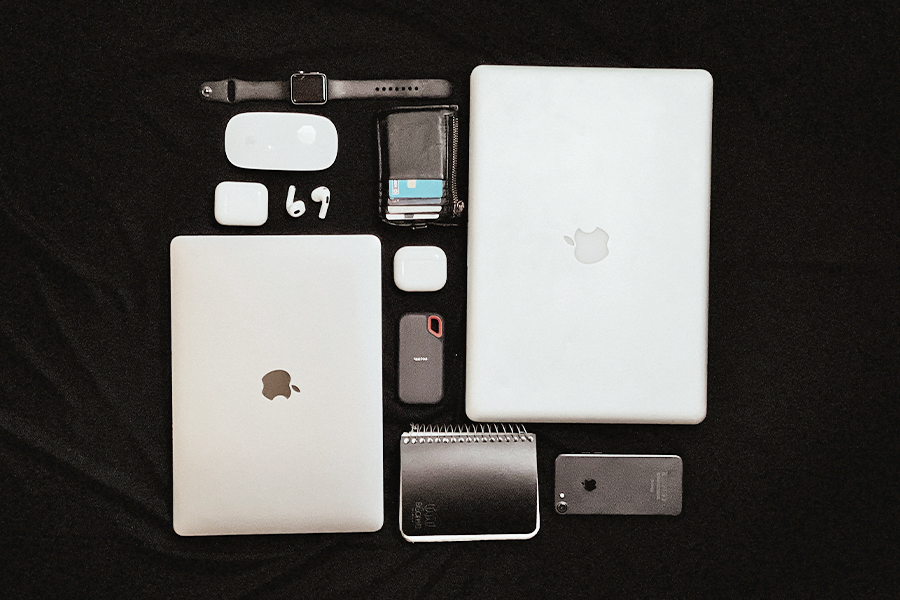
Hardware assets include any tangible technology equipment or materials used by employees and businesses to access information. This includes personal computers, desktops, mobile phones, servers, networking equipment, and peripherals such as printers, monitors, keyboards, and mice.
Software Assets
Software assets refer to any programs, applications, or licenses used by a business for operational purposes. The use of software assets come with various risks, including data security and compliance.
Data Assets
Data is arguably the most important asset an IT department manages for their business. This can be data managed through cloud assets, or physical servers and computers. Managing and maintaining reports on data assets must be a continuous process for IT professionals in order to maintain security, avoid breeches, and stay up to date with any industry regulations or requirements.
What are examples of IT assets?
To provide you with a more comprehensive overview, here is a list of IT assets that many businesses use in their operations:
Servers: Physical machines that store, process, and distribute data within a network.
Workstations: High-performance computers used by individuals for demanding tasks such as graphic design or software development.
Networking Equipment: Routers, switches, and firewalls that enable communication and data transfer across a network.
Storage Devices: Hard drives, solid-state drives (SSDs), or network-attached storage (NAS) devices used to store and retrieve data.
Printers and Scanners: Devices used for printing documents or scanning physical documents into digital format.
Laptops and Desktop Computers: Personal computers are used for various tasks, including office work, browsing, and content creation.
Mobile Devices: Smartphones, tablets, and other portable devices that allow users to access applications and data on the go.
Software Licenses: Legally authorized permission to use specific software applications, which can be installed on various hardware assets.
Cloud Services: Virtual resources, such as virtual machines, storage, or software, accessed online.
Data Centers: Facilities that house multiple servers, storage devices, and networking equipment, providing centralized data processing and storage capabilities.
This list covers many essential IT assets your company likely has on hand or uses, but it does not encompass everything. If you are looking for support in your IT discovery and management processes, partnering with an experienced team like Multiply Technology could provide you with the right tools and resources to manage those systems and assets effectively.
The 4 types of computer assets
While IT assets include many different pieces of technology, there are some that are specific to computers. These should be managed with a different viewpoint than other IT assets as they are the main tools used by employees every day. These assets include physical computers, related hardware and other peripherals, software assets accessed through those devices, and network assets that support your internet and other system connections.
Your IT assets and Multiply
IT assets are essential for businesses today. They are the tools and systems that keep things running smoothly, especially when your business has multiple locations or employees working remotely. Understanding these IT assets is the key to better resource management, staying compliant with rules and standards, boosting security, and cutting down on costs. Embracing the expertise of IT asset management service providers, exemplified by industry leaders like Multiply Technology, is an instrumental step toward unlocking the full potential of your IT infrastructure. Curious as to how Multiply can help you manage your IT assets more effectively? Contact us today to learn more!


